

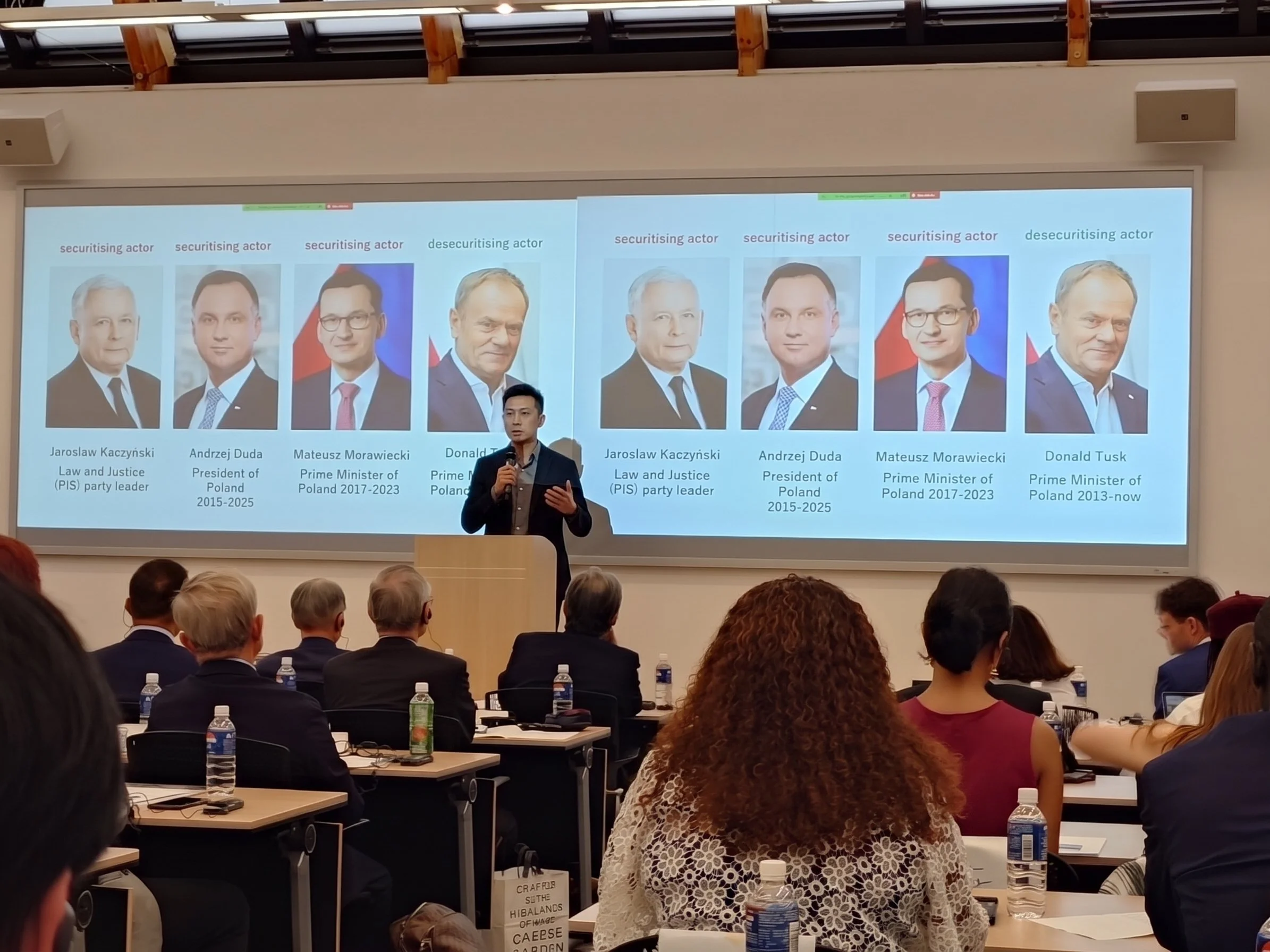
In an interconnected era dominated by autonomous algorithms and generative intelligence, technology can either bridge societies or deepen systemic vulnerabilities. During the landmark Asia Peace Exchange (Tokyo), Dr Jerry Sin, AI & Data Governance Expert at Meta Connects Asia, took the stage to address an essential question shaping the digital era: Why Digital Trust Matters for Peace.
Bridging Technology and Diplomacy: The Asia Peace Exchange
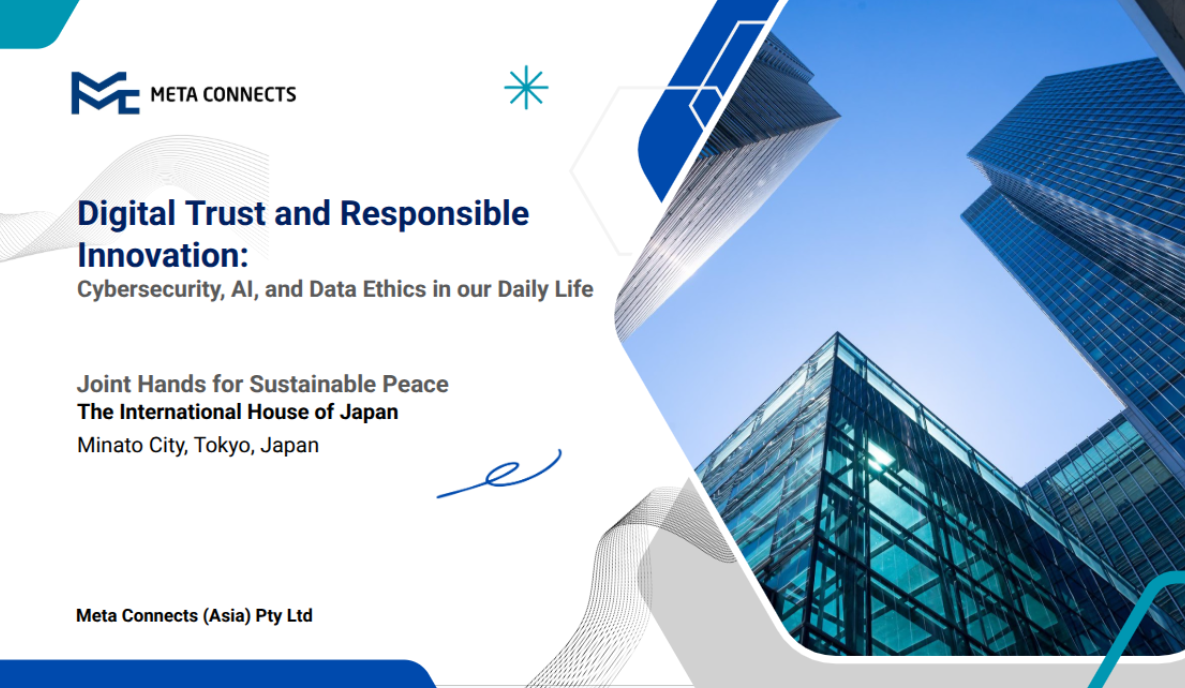
Jointly organized by the Rotary Club of Hong Kong and the Rotary Action Group for Peace (HK & Macao Chapter), the exchange united peacebuilders, legal scholars, and technologists from Hong Kong, Shanghai, and Tokyo. The symposium commenced at the historic International House of Japan in Roppongi and concluded at the Rotary Peace Center at International Christian University (ICU) in Mitaka, Tokyo.
Alongside dialogues on institutional reconstruction, systemic reconciliation, and anti-bias advocacy led by international Rotary Peace Fellows, Meta Connects Asia provided a distinct technical perspective: the imperative of engineering digital trust into our daily AI architectures.

Why Digital Trust is the Foundation of Modern Peace
Peace in the 21st century is no longer solely defined by geopolitical treaties; it is equally safeguarded in the digital corridors of data exchange. During the keynote, Dr Jerry Sin highlighted three critical pillars where technological governance directly intersects with global stability:
1. Countering Algorithmic Distortion and Disinformation
Unchecked algorithms can rapidly accelerate polarization and erode public faith. Establishing digital trust requires enterprises and institutions to prioritize verifiable transparency, explainable AI, and rigorous bias-auditing before deployment.
2. Privacy as a Fundamental Human Right in the AI Age
Mass surveillance and opaque data harvesting heighten social friction. Sustainable peace requires technical boundaries. Complying with cross-border privacy mandates—from Japan’s APPI and China’s PIPL to Australian APPs and Singapore’s PDPA—is not merely a regulatory burden, but a fundamental commitment to societal respect and digital sovereignty.
3. Verifiable Audit Trails over Blind Trust
Trust cannot be assumed; it must be provable. By adopting privacy-by-design architectures, small language models (SLMs) with isolated local boundaries, and immutable audit logging, organizations can ensure that their artificial intelligence systems remain accountable to human oversight.
From Dialogue to Architecture: Meta Connects Asia’s Regional Commitment
From addressing leading legal minds at Dentons Shanghai on SLM privacy compliance to engaging with global peace advocates at ICU Tokyo, Meta Connects Asia remains committed to engineering accountable data systems. Led by Dr Jerry Sin and our regional advisory team, our goal is to ensure technology serves as an instrument of integrity, regional collaboration, and long-term security.
Empowering Your Enterprise with Responsible AI & Trust Governance
Is your organization evaluating cross-border AI deployments or seeking to establish an auditable privacy framework that complies with APAC regulations?
Connect with Dr Jerry Sin and the Meta Connects Asia advisory team to evaluate your algorithmic transparency, cross-border data transfer safeguards, and privacy automation roadmap.